Harringay tenancy cleaning and Haringey council rules: what tenants, landlords, and cleaners need to know
If you are moving out in Harringay, there is a good chance you are juggling three things at once: keys, boxes, and the fear of losing part of your deposit. That is exactly where Harringay tenancy cleaning and Haringey council rules can start to matter in a very practical way. The cleaning itself is about meeting the standards expected at the end of a tenancy, but local council rules can affect waste disposal, recycling, parking for cleaning teams, and how you handle bulky items or leftover rubbish. In other words, it is not just about a shiny kitchen. It is about leaving the property in a condition that stands up to inspection without creating avoidable problems on the day you move.
This guide breaks down the process in plain English. You will see what tenancy cleaning usually includes, how local expectations in Haringey can influence the job, what mistakes commonly lead to disputes, and how to plan a clean that feels orderly rather than frantic. Truth be told, moving day is stressful enough. The good news is that a sensible approach usually saves time, money, and a fair bit of head-scratching.
Why Harringay tenancy cleaning and Haringey council rules Matters
End of tenancy cleaning is not the same as a normal weekly clean. It is usually more detailed, more targeted, and more tied to a handover standard. In a busy area like Harringay, where many flats are compact, older, and shared between different tenant types, small oversights can quickly become visible. A dusty skirting board, grease on a hob, lime scale around taps, or crumbs under a fridge might seem minor in day-to-day life. At the end of a tenancy, they can suddenly feel much bigger.
Haringey council rules matter because leaving a home is not only about the inside of the flat. You may also need to think about refuse collection, recycling, furniture disposal, and where bags or bulky items are placed before collection. If you ignore that side of the move, the property can look tidy inside but still end up messy outside. Not ideal, especially if the landlord or managing agent is walking past on inspection day.
There is also a bigger trust issue here. A well-documented clean helps reduce disputes. If the inventory says the oven was spotless at check-in, and you hand it back with baked-on residue, that is a predictable problem. If you can show a clear cleaning routine, receipts, photos, or a professional clean, it becomes much easier to explain what was done. That does not guarantee a perfect outcome, of course, but it puts you in a far better position.
Expert summary: the safest tenancy move-out strategy is simple: clean to a handover standard, manage waste according to local rules, and keep a clear record of what you did. That combination usually prevents the awkward phone calls later.
How Harringay tenancy cleaning and Haringey council rules Works
The process usually starts with two parallel checks: the property condition and the practical move-out logistics. First, look at your tenancy agreement and inventory. That tells you the expected standard, what fixtures and fittings are included, and whether professional cleaning is required. Then, check the local practical side: rubbish, recycling, parking access, and any items that need to be removed before you leave.
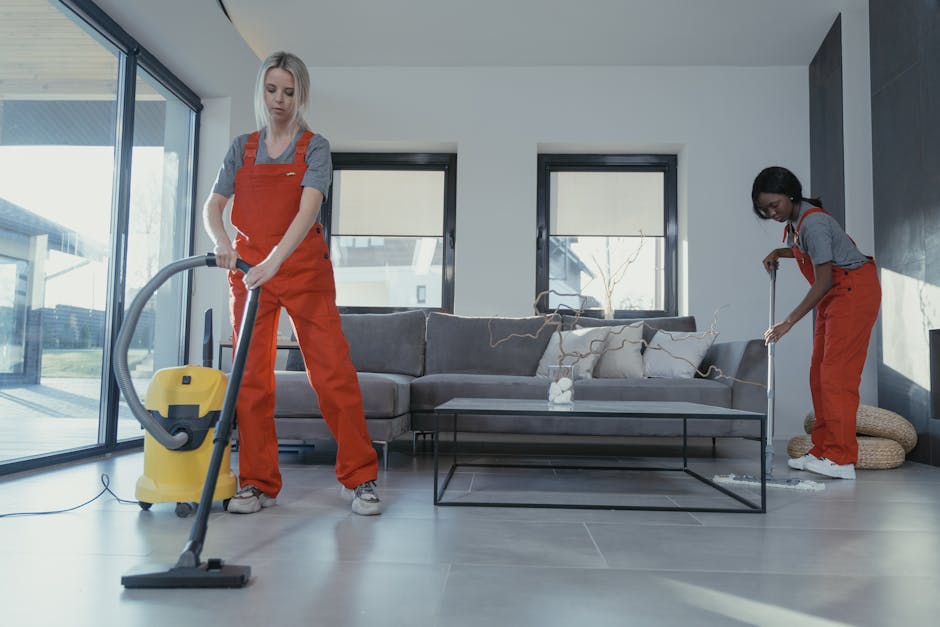
In a typical Harringay tenancy clean, the work is split into rooms and surfaces. Kitchens need degreasing, appliances need attention, bathrooms need sanitising, and living spaces need dust removal and detail cleaning. If there is carpet, upholstery, or hard flooring, those areas often need separate care. Some tenants also book a broader deep cleaning style service when the property has not been thoroughly maintained for a while. That is often the point where the job stops being a quick tidy-up and becomes a proper reset.
On the council side, the practical rules tend to affect how you dispose of waste and how you leave the surroundings. For example, if you are getting rid of old furniture or a broken mattress, you should not simply dump it by the front railings and hope for the best. Likewise, if there is a build-up of recycling or black bags after moving day, the timing of local collections becomes relevant. It sounds mundane. It is mundane. But it matters.
Professionally, a cleaner working on an end-of-tenancy job will usually move through the home in a planned order: high-dust areas first, wet cleaning next, then detail work, then a final inspection. This is where a service like end-of-tenancy cleaning is especially useful, because the goal is not just cleanliness but handover readiness. And yes, there is a difference.
Key Benefits and Practical Advantages
There are obvious benefits, and a few less obvious ones too. The obvious one is avoiding disputes over cleanliness. The less obvious one is mental breathing room. When the clean is planned properly, moving day feels less like chaos and more like a sequence of manageable tasks. You will notice that immediately when the kitchen is not still half-full of old grime and bags of unused stuff.
- Better chance of deposit return: A well-cleaned property is easier for a landlord or agent to sign off.
- Less back-and-forth: If the condition is clear, there is less room for arguments about what was or was not cleaned.
- Cleaner presentation for inspections: Buyers, agents, and incoming tenants all notice detail.
- Safer waste handling: Following local rubbish and recycling practice reduces the risk of complaints or fly-tipping concerns.
- Less stress on move-out day: A structured process keeps the whole handover calmer.
There is a practical advantage to using specialised services too. For example, an oven that looks acceptable at a glance can still fail an inspection because of residue around the glass, racks, and seals. A professional oven cleaning approach is often worth it simply because ovens are one of those areas people underestimate. Same with carpets. A room can look tidy overall, but one stained patch near the doorway can dominate the impression.
Another benefit is consistency. If you are a landlord preparing a rental for the next occupant, a standardised clean makes your future inspections easier. If you are a tenant, the same consistency helps you prove you did the sensible thing. Everybody wins. Well, nearly everybody.
Who This Is For and When It Makes Sense
This topic is mainly for tenants leaving rented accommodation in Harringay, but it is broader than that. Landlords, letting agents, property managers, and even housemates splitting up a shared tenancy all benefit from understanding the same basics. In shared homes, especially, there is often that awkward moment when each person thinks someone else will deal with the bathroom. Classic.
It makes sense to think seriously about tenancy cleaning when:
- your tenancy agreement expects the property to be returned in a clean condition;
- the inventory includes photos or notes about appliance, carpet, or window condition;
- there is heavy use in the kitchen or bathroom;
- you have pets, smokers, or long-term occupants in the home;
- there are bulky items, waste, or recycling to manage before you leave;
- you simply do not have time to clean properly between packing and handover.
Some homes also need a more general refresh before viewings or new occupancy, not just a strict move-out clean. That is where one-off cleaning can be useful, especially if you need a strong result without signing up for ongoing visits. For landlords, it can sit neatly alongside domestic cleaning or a broader property maintenance plan. For tenants, it is often the difference between a smooth exit and a long email chain nobody wants.
Step-by-Step Guidance
Here is a simple way to handle the clean without running yourself into the ground.
- Read your tenancy agreement and inventory first. Look for wording about professional cleaning, carpets, appliances, or garden areas.
- Declutter before you clean. Remove personal items, bags, broken furniture, and food waste so you can actually reach surfaces.
- Deal with waste and recycling early. Separate what can be collected, recycled, reused, or disposed of as bulky waste. Do not leave it until the final evening.
- Start at the top. Dust lights, shelves, and upper corners before wiping lower surfaces.
- Move room by room. Kitchen, bathroom, bedrooms, living areas, hallway. That order usually works best because you can track progress easily.
- Focus on the high-risk areas. Oven, hob, extractor, fridge seals, taps, toilet, shower screens, skirting boards, and door handles.
- Check flooring separately. Carpets, rugs, and hard floors need different treatment. A quick vacuum is not always enough.
- Finish with an inspection walk-through. Open cupboards, look behind doors, check under sinks, and stand in the doorway to see what the room really looks like.
A practical note: if you are hiring help, make sure the scope is clear before the job starts. If you need a cleaning company to cover an entire move-out clean, say which rooms matter most and which items are included. An honest conversation at the beginning is much cheaper than a misunderstanding at the end.
Expert Tips for Better Results
Experience teaches a few small lessons that save a lot of trouble.
First, clean the kitchen earlier than you think. Grease takes longer than people expect, and the oven always seems to be worse than remembered. Do not leave it for the last hour after you are already tired and running on toast.
Second, use the right method for the material. A hard floor does not need the same approach as a carpet, and fabric sofas react differently to moisture than a vinyl chair. If you are dealing with mixed surfaces, separate the work. It is dull advice, perhaps, but it works. A hard floor cleaning service, for instance, is much more suitable for wood, tile, or laminate than a general wipe-down.
Third, take photos after the clean. Not glamorous, but sensible. Clear photos of the oven, sink, bathroom, and main rooms can be useful if there is later disagreement about the property condition.
Fourth, deal with windows and mirrors last. If you do them too early, fingerprints and dust seem to reappear instantly. A bit annoying, really.
Fifth, ask yourself what a newcomer would notice first. That is usually the best clue. People notice smells, visible grime, and touch points before they notice obscure corners. If the place smells stale, the impression drops fast. Fresh air helps, and so does proper ventilation while you work.
Common Mistakes to Avoid
Most tenancy cleaning problems are not dramatic. They are small, ordinary oversights that add up.
- Leaving waste until the end: Bags, cardboard, and old items get in the way and make cleaning slower.
- Forgetting hidden areas: Behind radiators, under appliances, inside bins, and along skirting boards are common trouble spots.
- Using the wrong product: Harsh cleaners can damage surfaces, especially delicate finishes or treated flooring.
- Assuming "visibly clean" is enough: Grease, limescale, and dust in corners often matter more than the first glance suggests.
- Ignoring council waste rules: Leaving bulky items in the wrong place can create avoidable complaints or collection problems.
- Not checking the inventory: The property may need to match a documented standard, not your own idea of tidy.
- Rushing the final inspection: This is when people miss oven trays, cupboards, and bathroom ledges.
One more mistake, and it is a big one: cleaning around clutter rather than clearing the clutter first. It looks productive, but it is not. You end up polishing the edges while the centre of the problem stays put.
Tools, Resources and Recommendations
You do not need a warehouse of equipment, but the right basics help a lot.
- microfibre cloths for dust and polishing;
- a vacuum with a decent attachment set;
- an oven-safe degreasing product suitable for your appliance;
- bathroom cleaner for limescale and soap residue;
- a mop or hard-floor system appropriate for your flooring type;
- spare bin liners and recycling bags;
- gloves for grimier tasks;
- a small torch or phone light for checking dark corners and under units.
If the property has carpets or upholstery that need attention, a specialist service is usually more efficient than trying to improvise. Carpet cleaning can help with stains, odours, and high-traffic marks, while upholstery cleaning is useful if soft furnishings have absorbed dust or everyday wear. If the job includes curtains, rugs, or fabric furniture, those details matter more than people think.
For jobs involving home-wide reset work, a deep cleaning approach often gives the best balance between speed and thoroughness. And if you need help just once, not on an ongoing basis, keep one-off cleaning in mind. It suits move-outs, pre-inspection refreshes, and those slightly chaotic in-between periods when nobody quite knows where the kettle has gone.
Law, Compliance, Standards, or Best Practice
This part needs careful wording. Tenancy cleaning is usually governed by the tenancy agreement, the property inventory, and accepted standards of reasonable cleanliness. Local council rules, including Haringey council rules, tend to affect waste, recycling, and disposal rather than the interior cleaning standard itself. So the safe approach is to treat the tenancy paperwork as the main standard for condition, and local rules as the main standard for what you can leave outside, bin, or arrange for collection.
Best practice in the UK rental market generally means:
- returning the property in the condition required by the agreement, allowing for fair wear and tear;
- removing personal items and rubbish;
- cleaning fixtures, fittings, floors, and appliances to a reasonable handover standard;
- using lawful disposal routes for waste and bulky items;
- keeping receipts, photos, or written confirmation where a professional service was used.
If you are a landlord or letting agent, it is wise to keep expectations realistic and documented. If you are a tenant, it is wise to read the inventory before you start. The inventory is the anchor here. Not the memory. Not the guess. The inventory.
Where safety or access issues arise, such as blocked hallways, heavy items, or awkward stairwells, a properly insured service is sensible. You can also review a provider's insurance and safety information and their health and safety policy before booking. That is just good housekeeping, really. In a rented building, a small mistake can affect neighbours, common areas, or shared access, so it pays to be neat about the process.
Options, Methods, or Comparison Table
There is more than one way to handle a tenancy clean, and the best choice depends on time, budget, and how strict the handover is likely to be.
| Option | Best for | Pros | Possible downside |
|---|---|---|---|
| DIY clean | Small, well-kept homes with plenty of time | Lowest direct cost, full control | Time-consuming, easy to miss detail, tiring after packing |
| Partial professional clean | Problem areas like oven, carpets, or bathrooms | Targets the hardest jobs, flexible budget | Still requires you to manage the rest of the property |
| Full end-of-tenancy clean | Most move-outs, especially time-sensitive handovers | More thorough, consistent standard, less stress | Higher upfront spend than doing it yourself |
In practice, many people choose a mixed method. They handle decluttering, waste removal, and light cleaning themselves, then bring in specialists for the jobs that are awkward or time-heavy. That is often the sweet spot. No need to make life harder than it already is.
Case Study or Real-World Example
A fairly typical Harringay move-out might look like this. A tenant in a two-bedroom flat has packed most belongings but left the kitchen until the end. The oven has stubborn grease, the bathroom has limescale on the shower screen, and there is a pile of cardboard from flat-pack furniture near the hallway. The landlord's inventory notes that the flat was clean and ready at check-in, with carpets vacuumed and appliances in good condition.
Instead of trying to do everything at midnight, the tenant breaks the job into two parts. First, they separate recycling and old items, and arrange the unwanted bits properly. Then they focus on the rooms that matter most for inspection: kitchen, bathroom, and main floors. A specialist cleaner is brought in for the oven and carpets, while the tenant finishes the windows, skirting, and inside cupboards. The next morning, the property looks calm rather than chaotic. Not perfect in a magazine sense, but properly handover-ready.
That is the real lesson. A good tenancy clean is not about making a home look untouched by human life. It is about bringing it back to a sensible, decent standard so the next person can walk in without finding leftovers from the previous chapter. Simple, but not always easy.
Practical Checklist
Use this before you hand the keys back.
- Read the tenancy agreement and inventory
- Remove all personal belongings
- Sort rubbish, recycling, and bulky items
- Empty bins and replace liners if needed
- Clean kitchen surfaces, cupboards, sink, hob, and oven
- Scrub bathroom fittings, tiles, shower screens, and toilet areas
- Vacuum and mop floors
- Check carpets, rugs, and upholstery for stains
- Wipe doors, handles, switches, and skirting boards
- Clean windows, mirrors, and visible glass
- Inspect behind appliances and furniture
- Take photos after the clean
- Confirm waste disposal and collection arrangements
- Keep receipts for professional cleaning if used
If you are still short on time after this, do not panic. Focus on the high-risk rooms first. Kitchen and bathroom usually carry the most weight in a handover. The rest can follow, and often does.
Conclusion
Harringay tenancy cleaning and Haringey council rules are not glamorous topics, but they are the kind that quietly decide whether move-out day feels smooth or messy. The property standard, the waste handling, the timing, and the paperwork all work together. When you get those pieces aligned, you reduce stress and improve the odds of a clean handover.
For tenants, that means reading the agreement, cleaning strategically, and keeping waste under control. For landlords and agents, it means setting realistic expectations and relying on clear records. For everyone else involved, it means remembering that a tidy exit is not just about appearances. It is about respect, clarity, and a bit of common sense.
If your move is close and you want the job handled properly, it is worth comparing your options early, especially if the kitchen, carpets, or bathroom need extra care. A calm plan now is far better than a rushed fix on the final evening.
Get a free quote today and see how much you can save.
Frequently Asked Questions
What does Harringay tenancy cleaning usually include?
It usually includes a thorough clean of kitchens, bathrooms, floors, surfaces, cupboards, appliances, and visible fixtures. Depending on the property, it may also include carpets, windows, and upholstery. The exact scope should match the tenancy agreement and the condition at check-in.
Do Haringey council rules affect end of tenancy cleaning?
Usually they affect the practical side of moving out, such as rubbish disposal, recycling, and bulky waste handling, rather than the internal cleaning standard itself. The tenancy agreement remains the main guide for property condition, while local rules shape how you leave waste behind.
Is professional cleaning required at the end of a tenancy?
Not always. Some agreements ask for professional cleaning, while others only require the property to be returned in a clean condition. If the paperwork is unclear, check the inventory and agreement carefully before assuming anything.
What happens if the property is not cleaned properly?
The landlord or agent may raise a dispute and request that cleaning costs are deducted from the deposit if the property is not handed back to the agreed standard. Clear records and photos can help, but they do not replace proper cleaning.
How far in advance should I book a tenancy cleaner?
Ideally, book once your move-out date is fixed and before the last week gets chaotic. The last few days can become surprisingly noisy and disorganised. Leaving it too late is one of the most common reasons people end up paying more for urgency or settling for a partial job.
Can I just do the cleaning myself?
Yes, if you have time, the right equipment, and the home is in manageable condition. DIY cleaning works well for smaller or well-maintained properties. If the property needs deep work, or you are already stretched thin, a professional service is often easier.
What areas get checked most closely during an inspection?
Kitchens and bathrooms usually get the closest attention, especially ovens, hobs, sinks, taps, showers, toilets, and worktops. Flooring, skirting, and windows are also common inspection points because they reveal how thorough the clean really was.
Should carpets be professionally cleaned before moving out?
Sometimes yes, especially if there are stains, strong odours, or a tenancy agreement that expects a higher standard. A good carpet cleaning service can be helpful where vacuuming alone will not be enough.
What is the difference between deep cleaning and end of tenancy cleaning?
Deep cleaning is broader and can be used any time a property needs a reset. End of tenancy cleaning is more specific: it aims to return the home to a handover standard before the tenant leaves. The two often overlap, but the end goal is slightly different.
Do I need to clean outside the property too?
Often yes, at least in a practical sense. You may need to remove rubbish, sort recycling, and avoid leaving bulky items in shared areas. If waste is left in the wrong place, it can create complaints even if the inside of the flat is spotless.
How do I avoid disagreements with my landlord?
Check the inventory, take photos, clean the major problem areas properly, and keep records of any professional work. Clear communication helps too. Most disputes start with assumptions, and assumptions are rarely friendly.
Which service should I choose if I only need help with the hardest jobs?
If you only need support with specific areas like the oven, carpets, or bathroom, a targeted specialist approach can be more cost-effective than a full property clean. That way, you keep control of the simple tasks and pay for help where it really matters.
Sometimes the best move is the boring one: plan early, clean properly, and leave no surprises behind. That is usually what everyone wants in the end.