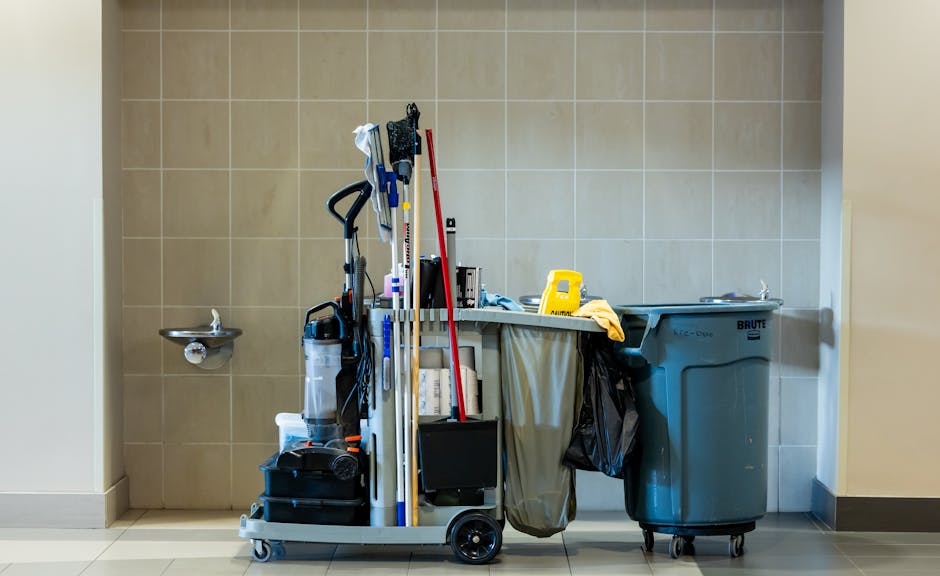
Haringey council waste disposal rules for cleaning businesses: a practical guide
If you run a cleaning company in Haringey, waste is not just something to sweep up and forget about. It covers everything from bagged rubbish and dirty cloths to old packaging, broken fittings, disposable PPE, and the odd awkward item left behind after a deep clean. The Haringey council waste disposal rules for cleaning businesses shape how that material should be sorted, stored, moved, and handed over for collection. Get it wrong and the consequences can be messy, expensive, and frankly a bit embarrassing. Get it right and your operation runs smoother, cleaner, and more professionally.
This guide breaks the topic down in plain English. You will see what usually counts as business waste, how disposal works in practice, what good compliance looks like, and how to build a simple routine your staff can actually follow on a busy day. We will also cover common mistakes, practical tools, and a realistic example from day-to-day cleaning work. Nothing dramatic. Just the stuff that matters.
Why Haringey council waste disposal rules for cleaning businesses matters
Cleaning businesses generate a wider mix of waste than many people expect. You are not only dealing with general rubbish. A typical job can produce used cloths, mop heads, empty bottles, packaging, broken equipment, dust, vacuum contents, food residue, and sometimes items a client has asked you to remove. In office cleaning, there may be confidential paper waste mixed in. In post-build cleans, there can be plaster dust, offcuts, and heavier debris. It all has to go somewhere.
The reason this matters is simple: once waste is produced as part of a business activity, you need a proper system for dealing with it. Councils generally expect businesses to manage waste responsibly, keep it contained, and use approved disposal arrangements rather than treating it like ordinary household rubbish. That is especially important in a busy borough like Haringey, where collections, storage space, and street presentation all affect how professionally your business is seen.
There is also a reputation angle. A customer may never ask how you dispose of waste, but they will notice if bags are left outside too early, if recycling is mixed with general rubbish, or if there is a smell hanging around after a visit. To be fair, nobody wants that. Good waste handling is one of those behind-the-scenes things that quietly tells people you are organised.
Expert summary: For cleaning businesses, waste disposal is not only about binning rubbish. It is about storage, separation, timing, transport, and proof that you handled the waste properly from start to finish.
It also connects directly to other parts of your business. If you already care about professionalism in how your cleaning company is presented, or you want to show a stronger commitment to recycling and sustainability, waste compliance becomes part of the same story. Small detail, big signal.
How Haringey council waste disposal rules for cleaning businesses works
In practice, the rules usually come down to a few core ideas: identify the waste, separate it correctly, store it safely, and use the right disposal route. The exact process depends on the type of waste and the location of the job, but the logic stays much the same.
First, decide whether the waste is general trade waste, recyclable material, bulky waste, or something that needs extra care. A pile of cardboard from a new-office clean should not be treated the same way as bags containing heavy dirt, broken glass, or contaminated cleaning materials. A bit of judgement goes a long way here. If staff are unsure, that is usually a sign you need a clearer internal rule.
Second, keep waste contained. Good practice is to use suitable sacks, tied liners, lidded bins where practical, and secure storage in vehicles. If you are moving waste between sites, avoid overfilling bags and never leave loose material rolling around a van. One windy afternoon and suddenly the pavement looks like a crime scene made of wipe cloths and pizza boxes. Not ideal.
Third, use the correct disposal route. Some waste can go into standard commercial collections, some should go for recycling, and some may require specialist handling. If your business also carries out services such as after builders cleaning, office cleaning, or end of tenancy cleaning, you will likely encounter a wider mix of waste types and should plan for that from the start.
Fourth, keep records where needed. Businesses often need some evidence of responsible disposal, especially if a waste contractor is used. Even when paperwork is simple, keeping it organised saves a lot of faffing later if a client asks a question or if you need to show good practice.
And finally, train your team. A waste plan that only lives in the manager's head is not a system. It is a wish. Staff need to know what goes where, what not to touch, when to stop and ask, and how to flag anything suspicious or potentially hazardous.
Key benefits and practical advantages
Waste compliance is often discussed like a chore, but it has clear business benefits. In a local cleaning operation, the upside is not abstract. It shows up in smoother jobs, fewer complaints, and less stress.
- Cleaner operations: Waste handled properly means fewer odours, fewer spills, and fewer awkward surprises when a client walks back in.
- Better customer confidence: Clients notice tidy exits, well-packed waste, and respectful handling of their premises.
- Lower risk of disputes: Clear disposal routines reduce arguments about who was responsible for what.
- More efficient crews: When everyone knows the process, jobs finish faster and with less confusion.
- Less chance of fines or enforcement issues: Good practice lowers the risk of waste being left out incorrectly or collected improperly.
- Stronger sustainability story: If you separate recyclable items where practical, your business looks more considered and modern.
There is a commercial benefit too. Many customers, especially offices, landlords, and managing agents, prefer contractors who look organised and low-risk. A team that handles waste properly tends to look more reliable in every other part of the job as well. That matters if you want repeat work, not just one-off bookings.
If you offer services like deep cleaning, domestic cleaning, or window cleaning, the waste you produce may seem minor at first glance. But even small amounts of waste add up over a week. A tidy system makes the whole business easier to manage.
Who this is for and when it makes sense
This guidance is relevant for any cleaning business operating in or around Haringey, whether you are a sole trader, a small local team, or a larger company with regular commercial work. If you are sending staff to homes, offices, managed buildings, or post-renovation sites, you are already dealing with business waste, even if the amounts are modest.
It makes especially good sense if you:
- carry out regular cleaning rounds and need a repeatable waste routine;
- work with landlords, letting agents, or facilities teams;
- handle post-build debris, bulky waste, or mixed rubbish;
- want better sustainability practices without making the process complicated;
- need a cleaner handover at the end of each job;
- manage staff and want fewer mistakes on site.
For example, if you run a small team doing one-off cleaning in busy family homes, you may only produce a few sacks per job. But if you switch to office blocks or larger rental turnarounds, the waste profile changes quickly. Office bins can include paper, packaging, food waste, and sometimes personal items that should be left alone. That change catches a lot of people out. It really does.
For businesses that also provide specialist services such as carpet cleaning, oven cleaning, or upholstery cleaning, having a clear waste rule is even more useful because the job site can vary so much from day to day.
Step-by-step guidance
Here is a practical way to build a waste disposal routine that works in real life, not just on paper.
-
Map the waste your business actually creates.
List the common waste from each service: cloths, packaging, dust, disposable gloves, paper, food residue, broken items, and so on. A simple list is enough at the start.
-
Separate waste at source.
Use different containers or clearly marked sacks where practical. It is easier to sort rubbish on site than to try and rescue a mixed bag later.
-
Agree what counts as general waste and what does not.
General waste should not become a catch-all for everything. If staff are unsure whether an item needs separate handling, tell them to pause and check.
-
Choose the right collection method.
Some businesses use their own commercial waste arrangements; others rely on service providers with suitable disposal support. Either way, the collection method should match the waste volume and type.
-
Store waste safely before collection.
Keep sacks tied, avoid overflow, and make sure nothing can leak, scatter, or attract pests. If waste must sit temporarily in a vehicle or yard, keep it secure and out of public view where possible.
-
Brief the team.
Use a short induction note or site reminder. People remember a simple "this goes here, that goes there" system far better than a dense policy nobody reads.
-
Review monthly.
If your waste volume changes, your disposal routine should change too. A growing business often starts with one system and outgrows it without noticing.
A useful trick is to attach the waste routine to the end-of-job close-down. That way, it becomes part of the clean rather than an afterthought. Little habits matter.
Expert tips for better results
Here are a few habits that make a surprising difference.
Keep one waste bag for one purpose where possible. For example, keep recyclable cardboard separate from mixed rubbish. It reduces time spent sorting later and lowers contamination risk.
Use tougher bags than you think you need. Cleaning waste can be surprisingly sharp, damp, or heavy. Thin bags split at the worst moment, usually when you are halfway down the stairs with your hands full. Annoying, yes. Preventable, also yes.
Build a "do not touch" rule for unknown items. If a cleaner finds syringes, chemicals, broken glass, or anything that seems unsafe, they should stop and escalate it. No heroics. No improvising.
Match waste planning to service type. A team doing house cleaning will not need the same waste setup as a team doing facade cleaning or builder cleans. That sounds obvious, but businesses often use one system everywhere and then wonder why it feels clumsy.
Keep client spaces tidy while you work. A small dustpan of debris left by the front door can undo a lot of good work. Customers remember the exit. Funny thing, that.
Back up the process with written guidance. It can be short. Even a one-page checklist is better than relying on memory alone.
Common mistakes to avoid
Most waste problems are not dramatic. They are ordinary, repeated little mistakes that build up over time.
- Mixing waste types together: Once general waste, recycling, and special waste are thrown into one sack, it becomes harder to dispose of correctly.
- Leaving waste outside too early: That can create mess, attract attention, and make the street look untidy.
- Assuming domestic habits apply to business waste: They often do not. Business waste needs business handling.
- Not training temporary staff: If a new cleaner is unsure, they may do the wrong thing simply because nobody showed them the process.
- Forgetting about bulky items: Broken equipment, old fixtures, and leftover materials from a job can need separate planning.
- Ignoring wet waste: Damp cloths and liquid-heavy waste can leak or smell if packed badly.
- Leaving responsibility vague: Everyone thinks someone else sorted the disposal. Classic problem, and completely avoidable.
There is also a subtler mistake: treating waste compliance as if it only matters after a problem happens. In reality, it is easiest to manage when it is just part of the workflow. Start with that mindset and you will save yourself a lot of hassle later.
Tools, resources and recommendations
You do not need fancy systems to do this well. In many cases, the simplest tools are the best ones.
- Colour-coded sacks or labels: Helpful when staff need a fast visual reminder.
- Lidded bins or secure tubs: Useful for wet waste, cloths, or mixed job debris on a vehicle.
- Job checklists: A small end-of-shift checklist can prevent waste from being left behind.
- Basic staff briefing notes: Especially useful for subcontractors or occasional workers.
- Vehicle storage crates: These stop waste bags sliding around and getting damaged in transit.
- Waste log: A simple record of collection dates, volumes, and any unusual items can be very handy.
If your business is still developing its procedures, it may help to align waste handling with other company documents, like your health and safety policy, insurance and safety information, and terms and conditions. That keeps the operational side neat and makes your business look more joined-up.
For customer-facing trust, it is also worth having your sustainability stance clearly thought through. A page like recycling and sustainability helps show that waste handling is not an afterthought. And if you are in the middle of setting rates or updating your costs, pricing and quotes can help you frame where disposal effort may affect the overall job price.
Law, compliance, standards, or best practice
Waste disposal for cleaning businesses sits within wider UK business waste expectations, but the safest approach is to avoid guessing and focus on good operational practice. In plain terms, that means you should know what your waste is, keep it under control, and make sure it is handed over through a responsible route.
Where the waste could be hazardous, contaminated, or unusual, the threshold for caution should be even higher. That might include sharp items, chemical residues, bodily fluids, mould-affected material, or anything else that needs special handling. If you are unsure, stop and seek proper guidance rather than treating it as ordinary rubbish.
Best practice usually includes:
- clear separation of waste types where practical;
- secure storage before collection;
- staff awareness and refresher training;
- appropriate disposal arrangements for the volume and type of work;
- basic records or internal notes when useful;
- a review process when work patterns change.
For cleaning businesses in Haringey, the practical question is less "What is the most complicated system?" and more "What can we do every single day without mistakes?" That is the real compliance test. And honestly, it is the one that counts.
If your work also involves larger clear-outs or high-volume removals, you may need to think differently about house clearance style jobs versus standard cleaning visits. The waste profile is simply not the same.
Options, methods, or comparison table
Different cleaning businesses handle waste in different ways. The right method depends on the size of the team, the type of jobs you take, and how much waste you generate.
| Method | Best for | Strengths | Things to watch |
|---|---|---|---|
| On-site separation into labelled sacks | Small teams, domestic work, routine cleans | Simple, low-cost, easy to train | Needs discipline and good bag supply |
| Dedicated waste bins in vehicle or store room | Mixed service businesses, regular local routes | Neat, practical, improves sorting | Requires safe storage and regular emptying |
| Special handling for bulky or awkward items | After-builders work, clear-outs, specialist jobs | Better control, safer for staff | May need extra planning and cost |
| Mixed general waste collection only | Very small operations with limited waste types | Easy to run initially | Can become inefficient and less sustainable |
In most cases, the middle ground works best. A simple separation routine, backed by secure storage and a sensible collection plan, gives you the best balance of effort and control. You do not need to build a mini recycling plant in the van. Let's not get carried away.
Case study or real-world example
Imagine a small Haringey cleaning team that spends the morning on a rental turnaround, then finishes the day with a small office clean. On the first job, they produce bagged dust, packaging from supplies, a few disposable cloths, and some left-behind food waste from the kitchen. On the second, they remove paper, empty toner boxes, and a couple of damaged desk items.
At first, the team mixed everything together and put it out for collection at the end of the day. It worked, sort of, until they started taking on more jobs. Bags became heavier, sorting got slower, and one client complained that waste had been left visible in a communal area. Nothing catastrophic. But enough to matter.
They then changed three things:
- they introduced a simple label system for general waste and recyclable cardboard;
- they trained staff to report anything sharp, wet, or unusual before bagging it;
- they added a five-minute end-of-job sweep to make sure no waste was left behind.
Within a few weeks, the jobs felt calmer. Staff knew what to do. The van stayed tidier. The team stopped wasting time re-sorting rubbish at the end of the day. That kind of change is boring on the surface, but it can transform how a small business feels to run. Honestly, a boring system is often the best system.
Practical checklist
Use this checklist before, during, and after each job.
- Have we identified the likely waste types for this service?
- Do we have enough suitable bags, bins, or liners?
- Are recycling and general waste kept separate where practical?
- Do staff know what to do with sharp, wet, or unusual items?
- Is waste being stored safely while we work?
- Have we avoided overfilling sacks or bins?
- Is the vehicle secure and tidy before moving to the next job?
- Have we cleared all waste from client areas before leaving?
- Do we know how this load will be collected or disposed of?
- Have we made any note of anything unusual that needs follow-up?
If you are building a stronger internal operating standard, it is worth pairing this with your broader business documents, such as your about us page, cleaners page, or cleaner service information, so customers can see the same level of professionalism across the board.
Get a free quote today and see how much you can save.
Conclusion
Haringey council waste disposal rules for cleaning businesses are really about responsibility made practical. You do not need a complicated setup to do well. You need a clear routine, a bit of training, the right containers, and the discipline to treat waste as part of the job rather than the leftover bit at the end.
That approach protects your business, makes your work look more professional, and reduces the everyday friction that can quietly drain time and energy. It also helps your team feel more confident. When people know where things go, they move faster and make fewer mistakes. Simple, but true.
And if you are still refining your systems, that is completely fine. Most businesses improve waste handling in steps, not overnight. Start with the basics, keep it consistent, and build from there. The work will feel lighter, the handovers will feel cleaner, and the whole operation will just breathe a little easier.
There is real pride in doing the small things properly. That matters more than people think.
Frequently Asked Questions
What counts as business waste for a cleaning company in Haringey?
Business waste usually includes the rubbish produced while carrying out cleaning work: used cloths, packaging, bagged dust, disposable PPE, empty product containers, and any debris removed during the job. If it is created as part of your service, treat it as business waste unless you have a clear reason not to.
Can a cleaning business just use domestic bins for waste disposal?
Usually, no. Business waste should be managed through suitable commercial arrangements rather than treated as household rubbish. The exact setup depends on the type and volume of waste, but a proper business disposal route is the safer assumption.
Do I need to separate recycling from general waste?
Where practical, yes. Cardboard, clean packaging, and some other recyclable materials should be kept separate if your workflow allows it. It is better for organisation, often better for cost control, and generally better practice overall.
What should I do with sharp or hazardous items found during a clean?
Stop and do not handle them casually. Sharps, chemical residues, and anything potentially hazardous should be flagged and dealt with using the correct procedure. If staff are unsure, they should not guess. That is one of the most important habits in the whole process.
How can a small cleaning business keep waste disposal simple?
Start with one clear system: separate what you can, use strong bags, label containers, and add a short end-of-job check. Small teams do best when the process is easy enough to repeat on a busy day without thinking too hard.
Does office cleaning create different waste issues from domestic cleaning?
Yes, it often does. Office jobs may produce more paper, packaging, food waste, and confidential material. Domestic jobs usually involve more mixed household debris. The waste routine should reflect the type of site you are working on.
How do after-builders cleaning jobs affect waste handling?
After-builders work can generate heavier, dustier, and more awkward waste than ordinary cleaning. You may find plaster dust, offcuts, packaging, and broken fragments. That means stronger bags, better segregation, and extra care with storage and transport.
Should I keep records of waste disposal?
Yes, where practical. Even a simple waste log can help you track collections, identify unusual loads, and show that your business has a sensible process. It does not need to be complicated to be useful.
What are the most common waste mistakes cleaning businesses make?
The big ones are mixing everything together, leaving bags out too early, not training staff, and underestimating wet or sharp waste. These are easy mistakes to make and equally easy to prevent once you have a routine.
How often should I review my waste disposal process?
Review it whenever your work changes noticeably, and at least periodically as part of normal operations. If you take on larger contracts, new service types, or more staff, your waste process should be checked again. Businesses change quickly, even when they do not mean to.
Can waste handling affect how professional my cleaning company looks?
Absolutely. Tidy exits, secure storage, and clean disposal habits all signal professionalism. Clients may not mention waste handling directly, but they notice the difference. It is one of those quiet trust-builders that speaks volumes.
Is recycling and sustainability worth focusing on for a small cleaner?
Yes, if you can do it sensibly. You do not need a grand sustainability programme. Even basic sorting, reduced contamination, and less unnecessary waste can improve how your business operates and how clients view you.